Expert Wildlife Removal: Keep Your Home Safe From Unwanted Pests
Reliable wildlife removal is vital for homeowners encountering unwanted creatures. Raccoons, squirrels, and skunks can cause significant damage and pose health risks. Recognizing indicators of invasion, including droppings and tracks, is the initial step in addressing these problems. Knowing how to seal entry points and use humane removal methods can have a meaningful impact. Nevertheless, recognizing when to call for professional assistance may be essential to preserving a secure living space. What steps should homeowners take moving forward?
Identify Common Wildlife Pests in Your Area
How can homeowners effectively identify common wildlife pests in their area? Gaining knowledge of the local environment is essential for homeowners looking to handle wildlife interactions. Local areas frequently shelter numerous pests, such as raccoons, squirrels, and skunks, each displaying unique behaviors and habitats. Property owners ought to acquaint themselves with these creatures' features, including size, coat markings, and common habitats. To illustrate, raccoons are commonly spotted digging through refuse, while squirrels often establish nests in attics or surrounding trees.
Investigating native wildlife using extension services or web-based resources can offer valuable information. In addition, engaging with neighbors can expose collective community experiences and common challenges. Tracking seasonal trends is also critical, as various pests can become more prominent at certain points throughout the year. Through gathering this information, homeowners can get ahead of potential wildlife problems before they intensify.
Warning Signs of Wildlife Intrusion: What to Look Out For
Animal intrusion is often identifiable through several key indicators. Strange sounds after dark, animal droppings, and footprints can signal the arrival of uninvited wildlife. Furthermore, destruction of property or insulating materials may also verify their movement throughout the space.
Unusual Noises At Night
What might be behind those strange noises filling the night air? Many homeowners find themselves baffled by sounds such as clawing, bumping, or skittering, which can indicate wildlife intrusion. These sounds frequently come from animals looking for warmth or sustenance within walls, attics, or crawl spaces. Squirrels, raccoons, and mice are typical intruders, each producing distinctive sounds that can disrupt your household. Additionally, the time of night can offer insight into the culprit; creatures of the night become more active once darkness falls. Understanding these acoustic indicators is vital for uncovering potential infestations early. Overlooking strange noises may lead to greater property damage and higher repair costs, underscoring the need for swift evaluation and intervention.
Droppings And Tracks
Feces and footprints act as obvious signs of pest presence on a property. Property owners need to stay watchful in recognizing these clues to handle possible infestations promptly. Wildlife feces may differ in dimensions, form, and hue, depending on the species; as an example, raccoon droppings tend to be bigger and include undigested food matter. Tracks left in soil or dust can reveal the type of animal present, with unique shapes and dimensions helping with recognition. For example, the presence of claw marks may indicate a raccoon or a fox. Noticing these indicators early enables efficient animal control, lowering the chance of harm and maintaining a secure home environment. Routine checks can assist property owners in keeping track of possible animal presence.
Damaged Insulation Or Property
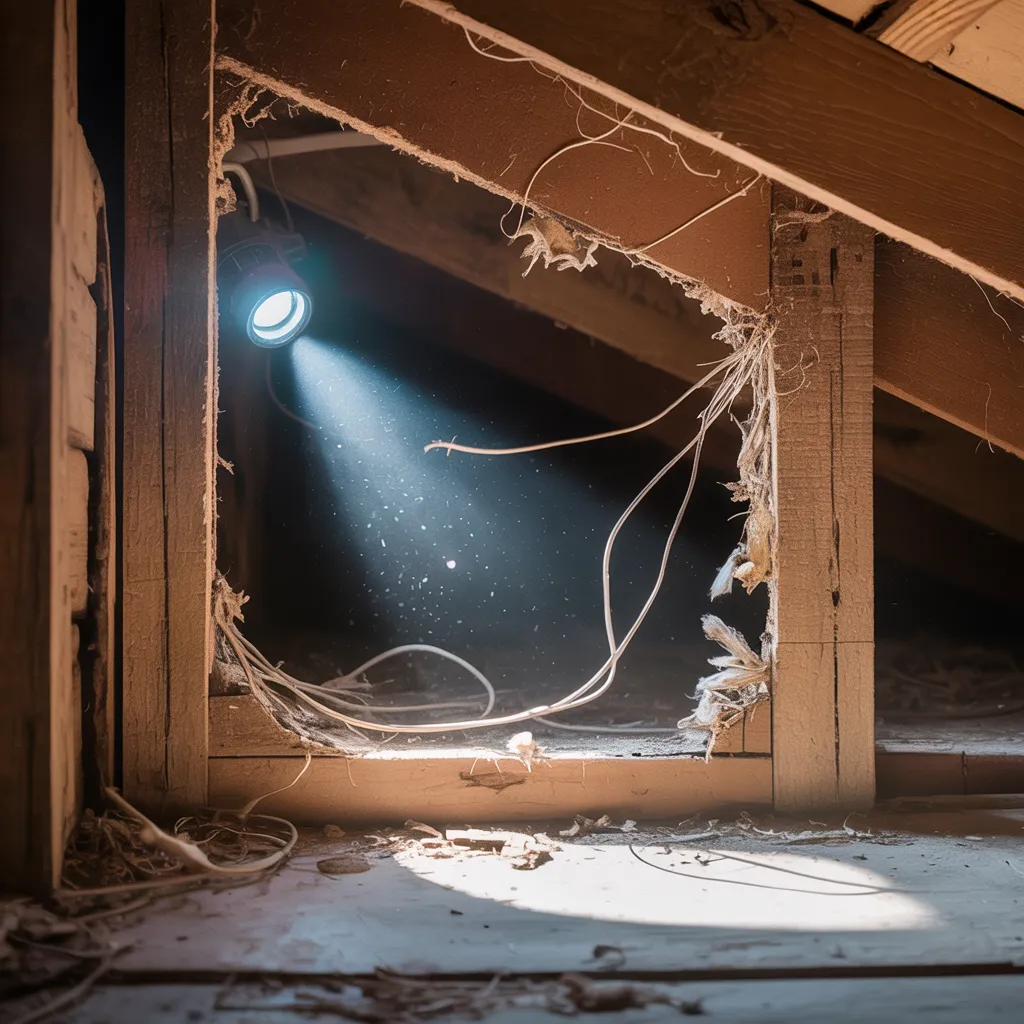
Evidence of wildlife invasion extend beyond animal droppings and footprints to include visible damage to property and insulation. Property owners might observe gnaw marks on beams, walls, or wires, indicating the presence of rodents. Gnawed insulation, frequently located in attics or crawl spaces, presents as yet another indicator, as creatures look for materials to nest or sources of food. Moreover, moisture stains or mold can appear if wildlife compromises roofing or siding, resulting in additional structural complications. Unexplained odors may also emanate from hidden areas, drawing attention to likely nesting areas. Timely identification of these signs is significant; tackling problems without delay can avert high repair costs and promote a safer residence. Diligent inspection of property conditions plays a vital role in managing wildlife effectively.
How to Stop Wildlife From Getting Into Your Home
Excluding wildlife from a home is vital for maintaining a safe and comfortable living environment. The primary step involves sealing entry points; residents should examine their property for cracks, gaps, or openings in walls, roofs, and foundations. Sealing these openings with substances like caulk or steel mesh can stop animals from entering.
Furthermore, appropriate yard upkeep is essential. Trimming vegetation and keeping firewood stored at a distance from the house helps minimize the chances of drawing in pests. Additionally, homeowners ought to control food sources by utilizing sealed trash containers and avoiding leaving pet food outdoors.
Placing start now screens over windows and vents can significantly improve security. Routinely maintaining gutters and clearing away debris discourages wildlife from nesting. Furthermore, familiarizing oneself with the habits of local wildlife can yield useful information about potential risks, enabling homeowners to take preventive action. By adopting these approaches, homeowners can substantially decrease the probability of unwanted animal intrusions.
Compassionate Wildlife Removal Approaches
Numerous homeowners dealing with wildlife invasions look for humane removal methods to secure both safety and consideration for the animals involved. These techniques focus on the welfare of the animals while effectively addressing the issue at hand. One frequently employed approach is the utilization of live traps, which permit the trapping of animals without causing injury. When caught, wildlife may be moved to an appropriate habitat away from populated areas.
Another approach involves modifying the habitat, such as securing food sources and closing entry points, deterring wildlife from coming back. Moreover, organic deterrents may be utilized to deter wildlife without causing injury.
Education is a key factor, as understanding animal behavior can lead to more effective and humane solutions. In general, ethical wildlife removal methods demonstrate a dedication to living in harmony, balancing the needs of homeowners with respect for local wildlife.
Essential Safety Guidelines When Dealing With Wildlife
When encountering wild animals, it is crucial to keep calm and carefully evaluate the situation. Observing the animal from a safe and appropriate distance allows for a better understanding of its actions and intentions. Close contact should always be avoided to safeguard both the well-being of the animal and personal safety.
Stay Calm And Observe
Coming across wildlife can be a surprisingly exciting encounter, but it also requires a careful approach to ensure safety for both the observer and the animal. Remaining calm is essential; unexpected gestures or noise can alarm the wildlife, potentially leading to unforeseen responses. Viewers should keep a respectful distance, using binoculars or cameras to observe the creature without encroaching on its territory. It is important to carefully evaluate the circumstances, observing the creature's actions and environment. Such mindfulness can help determine whether a danger exists. Gaining knowledge of the wildlife's natural patterns and features can enrich the encounter while lowering potential dangers. By doing so, people can appreciate the experience while protecting themselves and the wildlife.
Steer Clear of Direct Contact
Maintaining a safe distance from wildlife is essential to guarantee both personal safety and the well-being of the animal. Direct contact can provoke stress and defensive behaviors in wildlife, leading to potential injuries for both parties. It is worth noting that wild animals may carry illnesses, such as rabies, which present significant health hazards. Individuals should refrain from feeding or attempting to touch wildlife, as this can disrupt their natural behavior and create dependency on humans. If an encounter occurs, observers should remain calm and slowly back away, ensuring they do not corner the animal. In cases of ongoing wildlife activity, reaching out to professional wildlife removal experts is recommended to handle the matter safely and humanely.
When It Is Time to Call a Professional for Wildlife Removal
Knowing the right time to call a professional for wildlife control can be essential for both safety and effectiveness. Homeowners should seek expert assistance when they encounter wildlife animals that present health hazards, such as bats, raccoons, or skunks. These animals can carry diseases and might behave aggressively if disturbed. Additionally, if wildlife has gained access to living spaces, professional help is essential to protect against structural damage and potential health dangers.
Another scenario requiring professional intervention is when the animal is caring for offspring or has built a nest. This adds complexity to removal attempts and elevates the danger of harm. Furthermore, if a homeowner is uncertain about the laws governing wildlife removal, experts can supply information on compassionate removal practices and applicable legislation. At the end of the day, acknowledging the warning signs of a severe infestation or threat can help facilitate a reliable and thorough solution to wildlife concerns.
Questions We Often Receive
What Are the Legal Requirements for Wildlife Removal in My Area?
Legal regulations for wildlife control vary depending on the region, usually regulated by local wildlife agencies. Residents should contact these authorities to understand permits, restrictions, and humane practices needed for managing and relocating wildlife within their jurisdiction.
Can Wildlife Return After Removal, and How Can I Prevent It?
Animals are likely to return after eviction if openings are left unaddressed. To avoid future intrusions, one must identify and secure possible entry points, remove food sources and attractants, and consider habitat modification around the property to prevent additional unwanted visits.
What Are the Costs Associated With Professional Wildlife Removal Services?
Prices for professional animal removal services generally range from $200 to $2,500, according to factors like the type of animal, scale of the problem, and geographic location. Extra charges may be added for remediation or preventive solutions.
How Can I Tell What Kind of Wildlife Is Living in My Attic or Basement?
To detect wildlife in attics or basements, one should be aware of telling signs: droppings, nests, sounds at night, and damage to insulation or wiring. Noticing these clues helps pinpoint the species of animal that has entered.
Do Any DIY Approaches Work Effectively for Wildlife Prevention?
Home-based approaches for preventing wildlife intrusions include closing off access points, applying natural deterrents such as peppermint oil, and installing motion-activated lights. These methods can prevent wildlife from getting close to residential areas without posing any danger to the wildlife.